
A Loving Home is a Safe Home: A Guide to Pet Poison Prevention
March is a month of transition. We welcome the first signs of spring, from budding flowers to longer, sunnier days. It's a time of renewal, and for devoted pet parents, it's also Pet Poison Prevention Awareness Month - the perfect opportunity to renew our commitment to keeping our furry family members safe. Our homes are their sanctuaries, but hidden dangers can lurk in the most unexpected places. In 2024 alone, the ASPCA Animal Poison Control Center (APCC) handled over 451,000 cases related to potential poisonings, a nearly 4% increase from the previous year [1].
This isn't a reason to fear. It's a call to empower ourselves with knowledge. Understanding the common hazards in our environment is the first and most crucial step to creating a truly safe haven for the dogs we love so dearly.
The Surprise in the Box: Those Little Freshness Packets
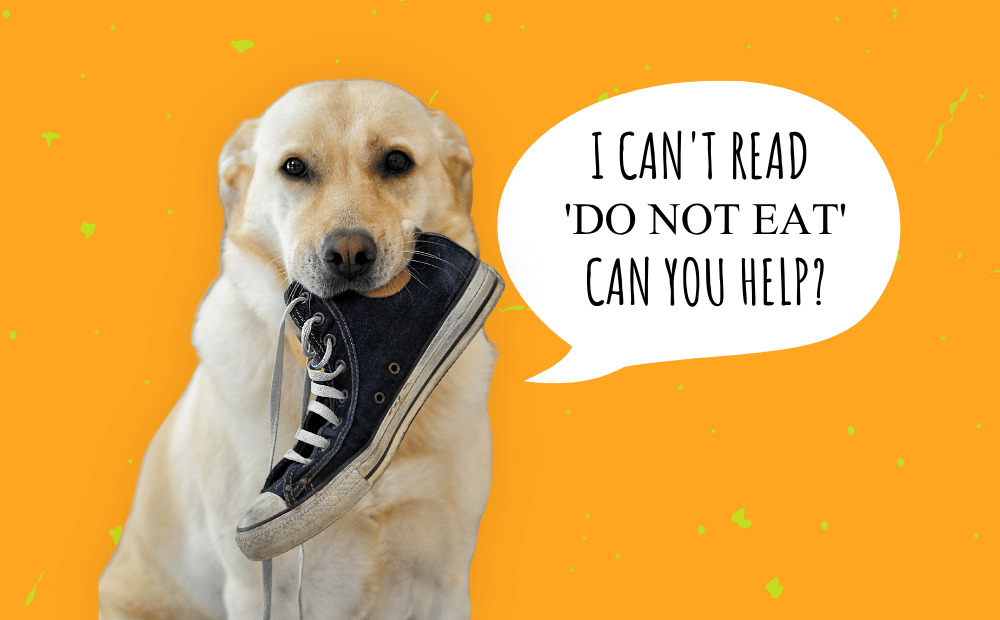
We've all been there. You tear open a new pair of shoes, a bottle of vitamins, or a package of beef jerky, and a small, mysterious packet tumbles out — landing right on the floor, well within reach of a curious pup who is already on their way over to investigate. It's one of those everyday moments that can catch even the most attentive pet parent off guard.
The good news is that most of these packets are not a chemical toxicity concern. However, they do carry real physical risks, and one specific type is genuinely dangerous. Knowing the difference gives you the confidence to act calmly and correctly [2] [3].
|
Packet Type |
Appearance |
Commonly Found In |
Key Risk |
|---|---|---|---|
|
Silica Gel |
Small white or colored beads |
Shoes, clothing, electronics, vitamins, food |
GI upset, blockage risk; always contact your vet |
|
Activated Charcoal |
Small black granules in a white cylinder |
Pet treats, jerky, chews |
Physical obstruction in small dogs |
|
Oxygen Absorbers |
Dark brown/rust powder — magnetic |
Human and pet jerky, dried fruits |
Iron toxicity — DANGEROUS |
Silica Gel Packets are the ones most commonly found in everyday purchases — the clothes you order online, the vitamins on your counter, the new shoes in the box. They are used as a desiccant (drying agent) to prevent moisture damage, and are almost always labeled with the words "Do Not Eat." There is a reason for that warning. According to the ASPCA Animal Poison Control Center, if eaten, silica gel can cause gastrointestinal upset, including vomiting and diarrhea, depending on the quantity consumed. Larger packets, if swallowed, can also potentially cause an obstruction in the intestinal tract [2].
The ASPCA's guidance is clear and worth taking to heart: if your pet has ingested silica gel, contact your veterinarian or the APCC for guidance right away. These packets are also more likely to be consumed when they come packaged with food, since they retain the scent of the food item — making them especially tempting to a curious dog. One additional nuance: colored silica gel packets (orange, blue, or pink) may contain a chemical called cobalt chloride used as a moisture indicator, which carries additional concerns beyond the standard clear variety. When in doubt, treat any ingested packet as a reason to call your vet. Better safe than sorry is always the right approach when it comes to your dog.
Oxygen Absorbers are the packet type that warrants the most serious concern. Unlike silica gel, these contain elemental iron and are added to food packaging (beef jerky, dried fruits, dog treats) to prevent spoilage. Elemental iron is directly corrosive to the gastrointestinal tract and can cause severe poisoning, particularly in small dogs. The telltale sign is that the contents are dark brown or rust-colored and are magnetic. If you suspect your dog has eaten an oxygen absorber, contact your veterinarian or the APCC right away.
The simplest habit to adopt? Dispose of all freshness packets immediately when opening any package — before they have a chance to hit the floor.
The Sweet Danger in the Garage: Antifreeze
As winter thaws and we start tending to our vehicles, one of the most insidious household pet poisons comes into play: antifreeze. Most automotive antifreeze contains ethylene glycol, a chemical that is odorless but carries a sweet taste that dogs find genuinely appealing. Even a small amount — just a few licks from a puddle on the garage floor or driveway — can be lethal [4].
What makes antifreeze poisoning so dangerous is the speed at which it acts and the narrow window for intervention. Ethylene glycol causes rapid, irreversible kidney failure, and the antidote is only effective if administered within 8 to 12 hours of ingestion. Early symptoms can look deceptively mild — a bit of wobbly walking, some vomiting, increased thirst — and may be mistaken for something less serious. This is precisely why immediate action is so critical. If you have any reason to suspect your dog accessed antifreeze, do not wait for symptoms to worsen. Call your vet or an emergency animal hospital right away.
Prevention here is genuinely straightforward. Cleaning up any spills or drips immediately, checking your vehicles regularly for leaks, and storing all automotive fluids in sealed containers are habits that take very little effort but make an enormous difference. If you are in the market for a new antifreeze, look for formulations made with propylene glycol rather than ethylene glycol — they are far less toxic if accidentally ingested.
A Garden of Hidden Dangers: Toxic Spring Plants
March also marks the beginning of gardening season, and with it comes a beautiful but important caution. Many of the plants we love most — the cheerful daffodils, the classic tulips, the lush azaleas — are toxic to dogs. As you plan your garden or bring fresh spring flowers indoors, keeping this knowledge close at hand is one of the most loving things you can do [5].
The table below highlights some of the most common spring plants to be mindful of:
|
Plant |
Risk to Dogs |
Most Toxic Part |
|---|---|---|
|
Tulips |
Vomiting, drooling, diarrhea |
Bulbs (most concentrated) |
|
Daffodils |
Vomiting, diarrhea; high amounts can cause seizures |
Bulbs (most concentrated) |
|
Hyacinths |
Vomiting, drooling, diarrhea |
Bulbs (most concentrated) |
|
Azaleas / Rhododendrons |
Cardiovascular and neurological effects |
All parts |
|
Sago Palm |
Liver failure; potentially fatal |
All parts — extremely toxic |
|
Spring Crocus |
GI upset |
All parts |
|
Morning Glory |
Vomiting, hallucinations |
Seeds |
|
Trumpet Vine |
GI Upset, Irritation |
all parts |
The bulbs of tulips, daffodils, and hyacinths are especially concerning because they are often dug up, chewed on, or encountered during planting season. If you have a dog who loves to dig, extra vigilance in the garden is well worth it. Before purchasing any new houseplant or adding to your garden, the ASPCA maintains a comprehensive and searchable list of toxic and non-toxic plants that is an invaluable resource for pet parents.
Please note this is not a complete list — there are many more plants that can be harmful to dogs. Head to the ASPCA's Toxic and Non-Toxic Plants page for a full, searchable directory.
Building a Routine of Safety
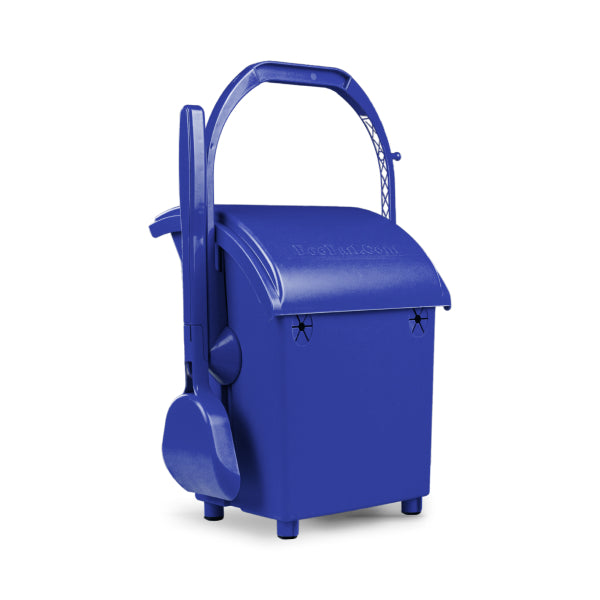
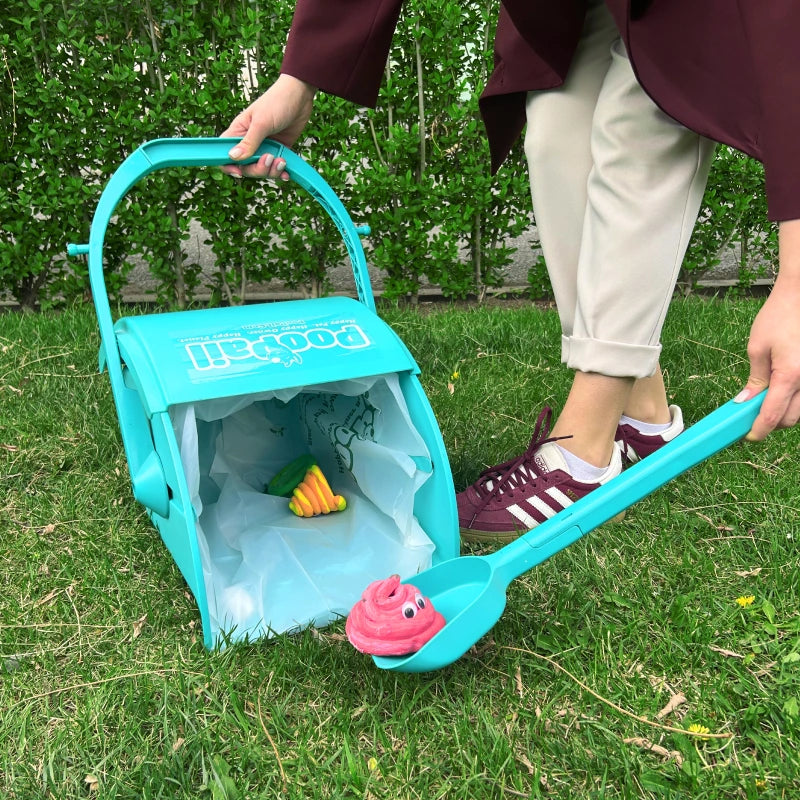
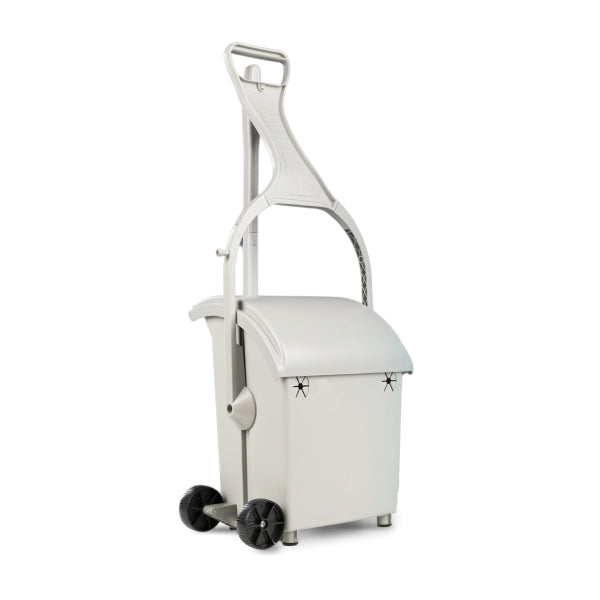
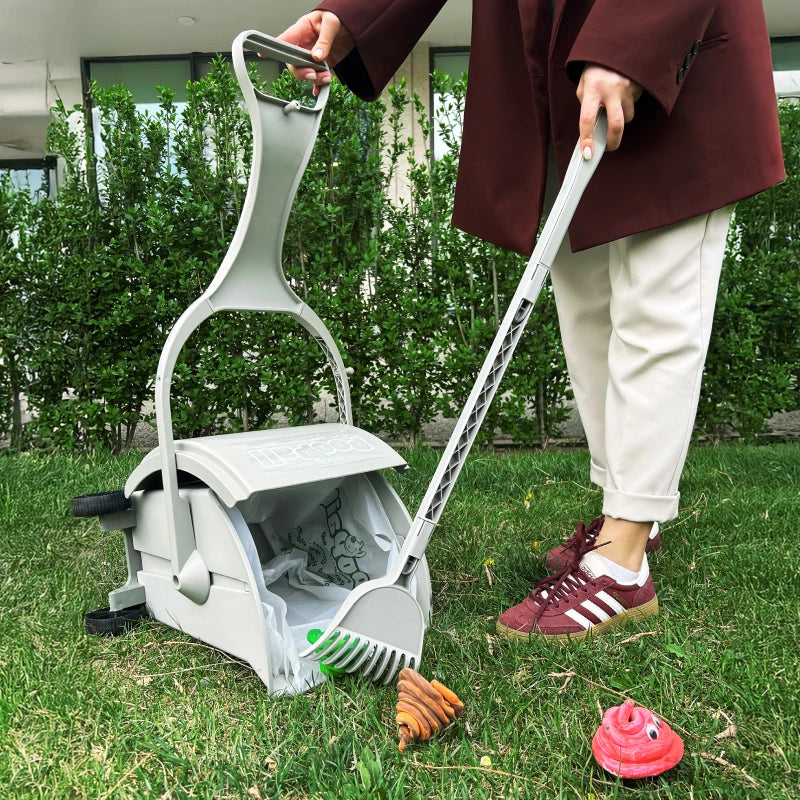
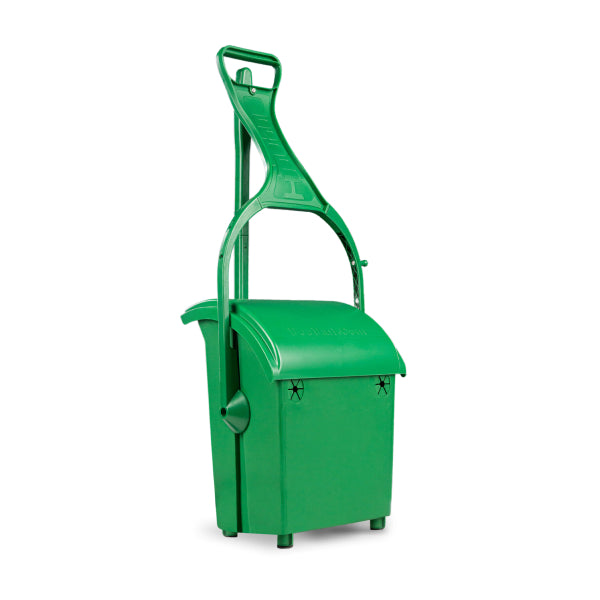
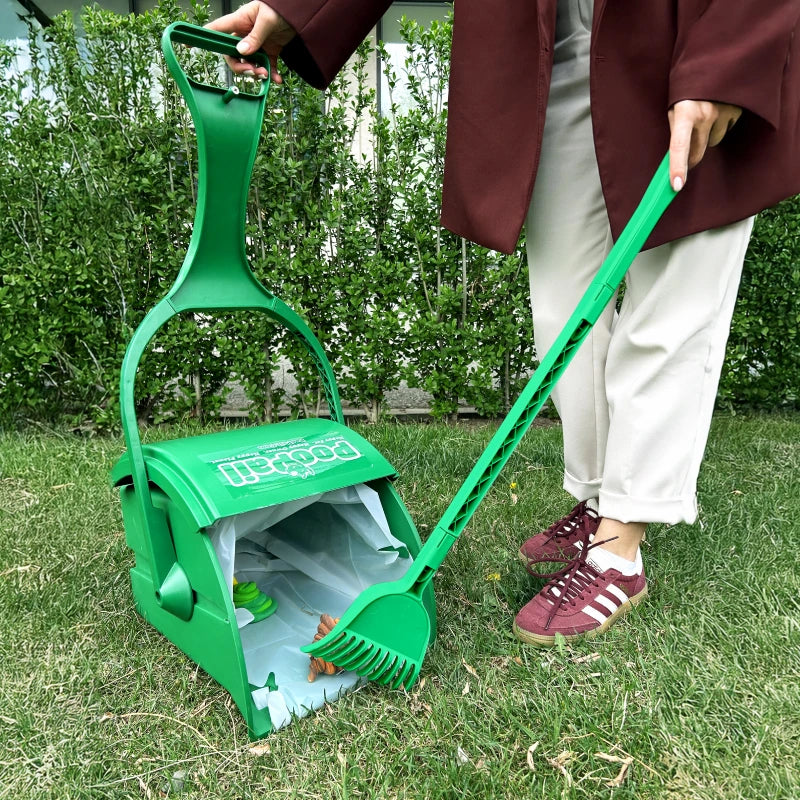
Protecting our pets is less about fear and more about building small, consistent habits. Just as you've made daily yard cleanup effortless and eco-friendly with tools like the GoodWag PooPail — the world's first 2-in-1 poop scooper and waste bin — you can weave poison prevention into that same daily rhythm.
Think of your yard walk as more than just cleanup; it's a safety patrol. As you move through your property, you're also scanning for potential hazards — a puddle near the driveway, a fallen plant, packaging debris that blew in from the trash. That consistent, attentive presence is one of the most powerful forms of protection you can offer your dog.
And for your walks, having the right gear means you're already in attentive pet-parent mode. GoodWag's SmartPoopy Walking Bags — extra-long, extra-thick, and home-compostable, with a convenient dispenser and carabiner hook — keep you hands-free and prepared, so you can focus on what matters: watching over your dog and enjoying your time together. Shop GoodWag bags here.
Save These Numbers
Being prepared is the final, essential piece of the puzzle. Keep these resources saved in your phone and posted somewhere visible at home:
- ASPCA Animal Poison Control Center: (888) 426-4435 — available 24 hours a day, 365 days a year (a consultation fee may apply)
- Pet Poison Helpline: (855) 764-7661 — available 24/7
- Your local emergency veterinary clinic: look this up now, before you ever need it
This Pet Poison Prevention Awareness Month, let's celebrate the love we have for our dogs by taking these simple, meaningful steps. A safer home is one of the greatest gifts we can give them.
A healthy pet has healthy poop. – PooPail
References
[1] ASPCA. (2025, March 13). The Official Top 10 Toxins of 2024. https://www.aspca.org/news/official-top-10-toxins-2024
[2] ASPCA Animal Poison Control Center. (2016, February 4). Learn More About Silica Gel, A Common Pet Toxin. https://www.aspca.org/news/learn-more-about-silica-gel-common-pet-toxin
[3] Pet Poison Helpline. (n.d.). Are those packaging freshness packets really toxic to dogs? https://www.petpoisonhelpline.com/pet-safety-tips/packaging-freshness-packets-really-toxic-dogs/
[4] PetMD / Pet Poison Helpline Veterinarian Team. (2025, November 21). Antifreeze Poisoning in Dogs: Symptoms, Treatment and Prevention. https://www.petmd.com/dog/emergency/poisoning-toxicity/antifreeze-poisoning-dogs
[5] ASPCA. (2019, April 18). Keeping Your Springtime Garden Safe for Your Pets. https://www.aspca.org/news/keeping-your-springtime-garden-safe-your-pets


Leave a comment
This site is protected by hCaptcha and the hCaptcha Privacy Policy and Terms of Service apply.